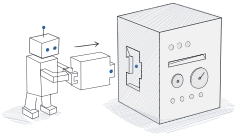
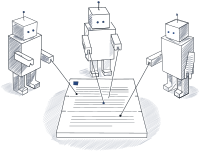
Humans use Word. Agents use Mozeik. Models set fonts, adjust layout, and refine content. No code required.
In beta. 30 free messages to explore.
02 · RECIPES
Your documents should look like yours.
AI drafts a memo in seconds and the formatting arrives generic. Wrong fonts, no brand marks, a layout that looks nothing like what your firm actually sends to clients.
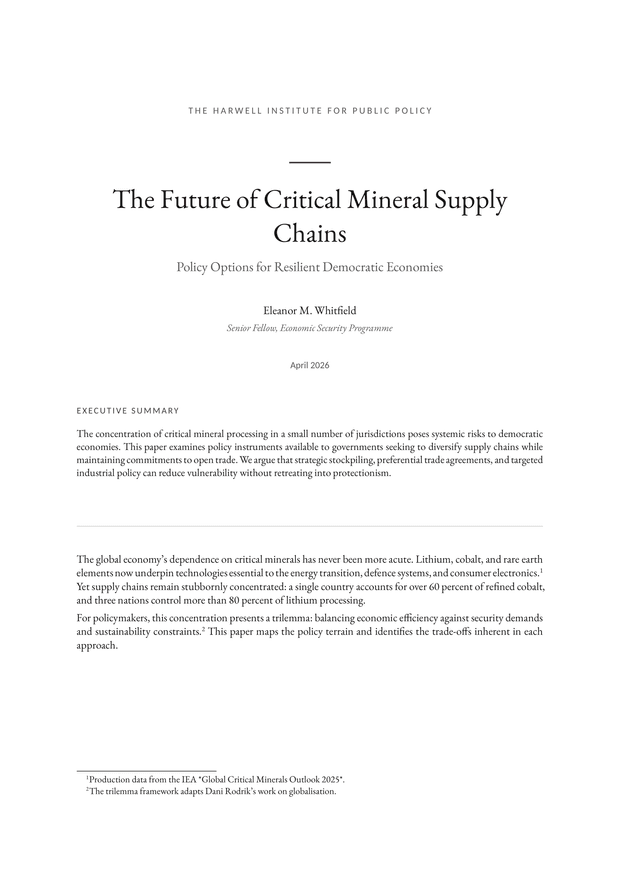
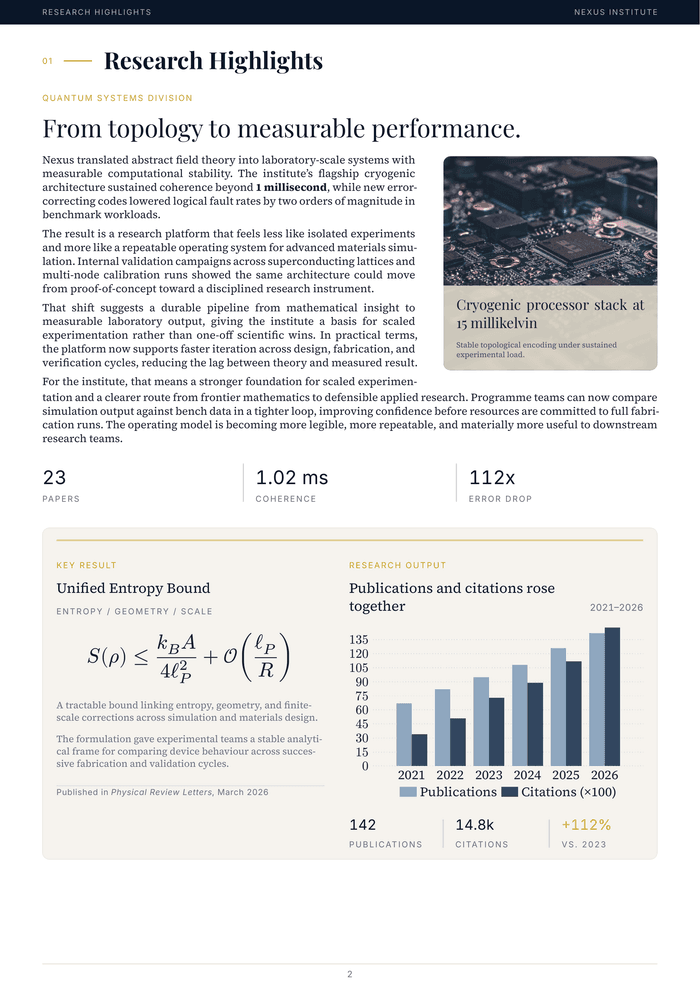
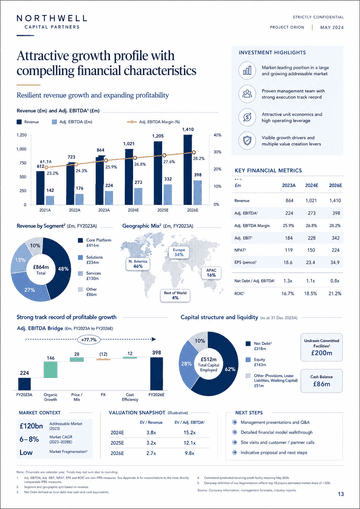
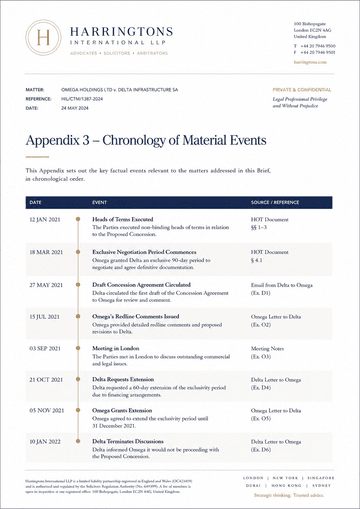
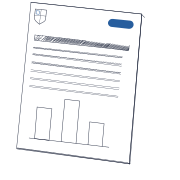
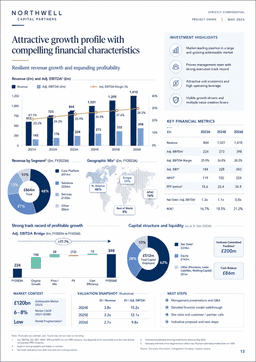
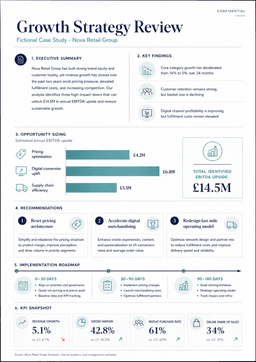
A Mozeik Recipe output
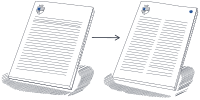
Different firms, different house styles.
Each recipe teaches the agent one firm's format, brand system, and document conventions.
Rigid templates protect branding until someone needs an extra table or a section they didn't anticipate. Then you're back to copying things by hand.
A Mozeik Recipe closes that gap. We build it from your existing documents: brand identity, layout conventions, document structures. Agents learn how your organization formats things, so every output is recognizably yours.
The agent still controls a full word processor. It can add a chart the recipe never mentioned, restructure a section for a different audience, or produce a new document type while staying inside your visual identity.
Fits into your stack
Already have agents and your own models? We give them document rendering tools. Need the full pipeline? We provide that too.
Code-generated PDFs are brittle: every layout change becomes another script to debug. Mozeik gives agents structured document tools instead, so document quality comes from a stable rendering layer, not from whatever code the model improvises.
A Mozeik agent tool
Connect once. Let agents produce the document.
Mozeik gives your product a document layer through MCP, CLI, API, or agent skills.
Blazing fast.
Models write through structured tool calls, not generated code. No scripts to debug, no layout to fix. A Rust compiler renders typography, charts, images, and page layout into a finished PDF in milliseconds, even when the agent runs on a small model.
Iterate effortlessly.
The document schema separates content from presentation. "Make it two columns" or "use a more formal tone" patches a few properties instead of regenerating the full output. Revision cost scales with the change, not the document size.
Parallel authoring.
The document tree is a coordination primitive. An orchestrator assigns sections to sub-agents that write simultaneously. The schema guarantees consistent typography across agents. A 100-page document doesn't take 100× longer.
04 · BENCHMARK
Benchmarked against Claude's PDF skill.
Same model, same inputs. Mozeik's document schema replaces code generation with structured tool calls. Fewer tokens, fewer turns, better output.
4.2×
CHEAPER
2.8×
FASTER
2.7×
FEWER TOKENS
92%
WIN RATE
Claude Haiku 4.5 · 10 document types · 40 runs · March 2026
05 · START
Ready to start?
FOR AGENT BUILDERS
Try the playground.
Describe a document, watch it generate. 30 free messages to explore the full loop: agent calls tool, compiler renders PDF.